Introduction
The new BMW iX3 is the first series-produced model of BMW’s Neue Klasse era, and it reads like a reboot rather than a refresh. The brief is blunt: deliver more range, faster charging and a clearer, calmer interface without losing the upright practicality that made the X3 badge a default family choice. Under the skin sit sixth-generation BMW eDrive components, a new electronics architecture with far more compute, and packaging that aims to turn big range and quick stops into the default, not the exception. It is still an X-family SUV, just reorganised around an 800-volt backbone and a denser battery.
Design and Aerodynamics
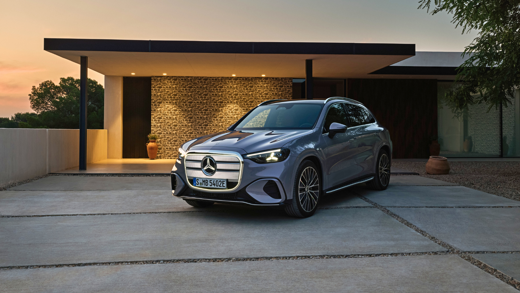
The iX3 introduces BMW’s next design language with less clutter and tighter lines. Proportions are familiar at 4,782 mm long, 1,895 mm wide and 1,635 mm tall, so it lands squarely in the mid-size space. Surfaces are broad and clean, interrupted only by a few precise character lines to keep the stance purposeful. The kidneys are reinterpreted vertically with a new light signature doing the job chrome once did, and the side glass is flush with integrated handles to keep airflow tidy.
The aero work is specific and measurable. Detail changes across the nose, underbody and rear cut the drag coefficient to 0.24, which is low for a boxy, family-sized SUV. That matters at motorway speeds, where wind noise drops and efficiency climbs. The rear lamps stretch inward in a horizontal “L” interpretation, the arches are body-colour and subtly squared-off, and the whole silhouette looks calmer than the outgoing car because it is. It is function first, without looking anonymous.
Cabin, UX and the New Panoramic iDrive
Inside, the iX3 is stripped of visual noise and centred on BMW Panoramic iDrive running Operating System X. The instrument panel floats, the door cards link into it to create a wrap-around feel, and the materials skew modern rather than flashy. Primary controls remain physical where they should be, including indicators, wipers, mirrors, hazard and audio volume, and the rest is handled by a free-cut central display, a full-width Panoramic Vision projection across the windscreen, voice and the multifunction wheel. The result is a simpler cockpit that still obeys the “eyes on the road, hands on the wheel” rule.
Seating is new and deliberately minimalist, with long-journey support and a broad adjustment range. Ambient lighting is used to outline form rather than shout, and large glass areas plus an optional panoramic roof keep the cabin bright. Software does the heavy lifting: the voice assistant is smarter, the UI is cleaner, and entertainment options cover music, video streaming and in-car gaming for charge stops. Over-the-air updates and the ConnectedDrive Store keep features current without workshop visits. It all feels like an EV-native interface rather than a combustion layout adapted to screens.


Powertrain and Performance
Sixth-generation eDrive is the main event. Motors are more efficient, losses are down versus the previous generation, and the new cylindrical-cell battery integrates more tightly into the structure. The launch model, iX3 50 xDrive, uses dual motors for a combined 345 kW (469 hp) and 645 Nm. It does 0-62 mph in 4.9 seconds and tops out at 130 mph. The calibration aims for clean step-off and strong mid-range rather than theatrics. It is brisk when asked, quiet when cruising and predictable everywhere in between.
Chassis control is overseen by what BMW calls the “Heart of Joy,” one of four high-performance control units in the new electronics stack. It manages power delivery, braking, regen and steering with far more bandwidth than a conventional ECU, so the handover between coasting, recuperation and friction braking is smoother and you notice fewer mismatches between pedal feel and deceleration. The point isn’t drama; it is consistency.
Range and Charging
The numbers move the needle. With a usable battery capacity of 108.7 kWh, the iX3 50 xDrive posts a provisional WLTP range of up to 805 kilometres depending on wheel and tyre spec. That sits at the sharp end of the class. The 800-volt system supports a peak DC rate of 400 kW on compatible hardware, so the car can add up to 372 kilometres of range in around ten minutes and go from 10 to 80 percent in about twenty-one minutes when conditions are right. AC charging is 11 kW as standard or 22 kW as an option, which makes overnight home top-ups straightforward even with larger daily mileages.
The charging experience is designed to be less guesswork. Battery pre-conditioning warms or cools cells on the way to a charger, routing includes charging-optimised guidance across the cluster and central screen, and even the charge flap gets smarter with automatic open/close logic. Bidirectional functions broaden use cases: Vehicle-to-Load turns the car into a mobile power bank, Vehicle-to-Home supports home energy setups, and Vehicle-to-Grid opens a path to grid services where available.
Practicality and Everyday Use
The iX3 remains a utility vehicle first. Boot space starts at 520 litres and expands to 1,750 litres with the rear backrest folded; there is a 58-litre front compartment sized for cables or small bags. The load area is flat, the rear bench is sofa-like and the floor height avoids the awkward step you sometimes get with EV packaging. Refinement is helped by the aero and by the stiffer battery-in-body layout, so motorway miles are calmer than the silhouette might suggest.
Towing capacity is rated up to 2,000 kg on the 50 xDrive with an electric, fold-in tow hitch available. That matters for buyers who need a family car Monday to Friday and a trailer hauler at the weekend. The overall message is that the iX3 does the regular jobs without complaint while adding the long-range EV piece on top, rather than forcing compromises to unlock the numbers.
Digital Platform and Assistance
The new electronics architecture moves from a cluster of separate modules to a handful of “superbrain” computers. That gives driver assistance features more headroom and lets the UX stay responsive even when it is juggling navigation, media, visualisation and camera work. The Panoramic Vision display spreads key information across the windscreen, with an optional 3D head-up display adding depth to guidance and automated-driving visualisations. It is not about novelty; it is about density and legibility without distraction.
Services scale with need. Digital Key Plus support is standard, the My BMW app ties ownership, charging and remote functions together, and BMW Maps handles charge-aware routing by default. Entertainment and comms are covered with streaming video, conferencing and gaming apps you can add via the store. The voice assistant grows more capable and is set up for further improvements as AI models are integrated over time.
Sustainability and Materials
The iX3 targets a lifecycle CO₂ reduction of more than thirty percent versus its predecessor by attacking the problem in production as much as in use. Energy losses in the drivetrain are down versus the previous generation, the battery cells are denser and require less material per kilowatt-hour, and the pack is designed for efficient assembly as part of the body structure. Inside, non-leather options and recycled content are available alongside higher-end BMW Individual trims, so spec can match preference without defaulting to resource-heavy choices.
Production and Market Timing
Series production starts in autumn 2025 at BMW’s new Debrecen plant in Hungary. Europe gets the first wave from spring 2026. The US follows in summer 2026. A China-specific version built in Shenyang is due to join the line-up with deliveries starting in the same summer window. Additional iX3 variants will roll in after launch, including an entry model positioned under the 50 xDrive to broaden the price and spec spread.
Takeaway
The new BMW iX3 is a clear statement of intent for the Neue Klasse. It looks cleaner, goes further on a charge and charges faster when you need it. The cabin is simpler without feeling sparse, the software is finally built around EV use from the start, and the practical numbers still add up. It is not a concept car on wheels; it is a mid-size family SUV that just happens to hit the long-range EV brief head-on.