Salary Sacrifice

Salary Sacrifice

A Salary Sacrifice Scheme allows employees to exchange part of their gross salary for valuable workplace benefits such as pension contributions, cars and cycle-to-work schemes.

RightLease helps businesses introduce flexible vehicle salary sacrifice options, giving eligible employees access to a new car while potentially reducing their Income Tax and National Insurance. A well-structured scheme can also strengthen your employee benefits package, support recruitment and improve staff retention.

Salary Sacrifice Scheme

Help your employees make the switch to a new electric or low-emission plug-in hybrid car with the RightLease Salary Sacrifice Scheme.

A Car Salary Sacrifice Scheme allows eligible employees to exchange part of their gross salary for the use of a new vehicle provided through their employer. Because the payment is deducted before Income Tax and National Insurance are calculated, employees may be able to reduce the effective monthly cost of driving a new car.

Fully electric cars currently provide the strongest tax advantages because they attract much lower Benefit-in-Kind rates than most petrol, diesel and conventional hybrid vehicles.

Certain low-emission plug-in hybrid cars can also be suitable, particularly when they offer a longer electric driving range and produce no more than 75g/km of CO2.

What Is a Salary Sacrifice Scheme?

An Electric Car Salary Sacrifice Scheme is an agreement between an employer and an employee.

The employee agrees to reduce their contractual gross salary by an agreed amount. In return, the employer provides them with a new electric or qualifying low-emission car through a business vehicle lease.

The employee may save Income Tax and National Insurance on the salary they exchange. They will normally pay Benefit-in-Kind tax for using the vehicle privately, but electric cars currently attract significantly lower Benefit-in-Kind percentages than higher-emission vehicles.

The employee’s contract must be updated to reflect the arrangement, and their remaining cash salary cannot fall below the applicable National Minimum Wage.


Salary Sacrifice Car Leasing

The RightLease Car Salary Sacrifice Scheme

The RightLease Salary Sacrifice Scheme is designed to make employee car benefits easier to understand, implement and manage. Instead of arranging a personal lease directly, the employee chooses an eligible vehicle through their employer’s scheme. The vehicle is leased under a business agreement and the agreed gross sacrifice is taken from the employee’s salary each month.

RightLease supports employers and employees through vehicle selection, quotations, lease terms, mileage requirements, order processing and delivery. We also provide the information needed to help the employer administer the vehicle through its HR and payroll processes. Vehicle availability, employee eligibility and exact scheme inclusions will depend on the employer’s policy, the selected funder and the final agreement.


Is business leasing right for your company?

Electric cars are currently the most tax-efficient vehicles to provide through a Salary Sacrifice Scheme.

For the 2026/27 tax year, fully electric company cars with zero tailpipe emissions have a Benefit-in-Kind percentage of 4%. By comparison, higher-emission petrol, diesel and hybrid cars can attract substantially higher percentages.

This means employees may be able to access a new electric car for a lower effective monthly cost than they would pay through a standard personal lease.

Electric cars can also provide:

  • Lower Benefit-in-Kind tax
  • Potential Income Tax and National Insurance savings
  • Lower everyday running costs when charged economically
  • Zero tailpipe emissions
  • Quiet and comfortable driving
  • Access to the latest vehicle technology
  • Reduced dependence on petrol or diesel
  • Support for employer sustainability targets

The exact saving will depend on the employee’s salary, tax band, chosen vehicle, lease terms and personal circumstances.

Frequently asked questions

Everything you need to know about leasing with RightLease.

Is salary sacrifice only available for electric cars?

Salary sacrifice can be used for several workplace benefits and is not legally restricted to electric cars.

However, fully electric and qualifying low-emission plug-in hybrid cars generally offer the strongest tax advantages. For this reason, the RightLease Car Salary Sacrifice Scheme primarily focuses on vehicles producing no more than 75g/km of CO2.

Why are electric cars more tax-efficient?

Fully electric cars attract much lower Benefit-in-Kind percentages than most petrol and diesel vehicles.

For the 2026/27 tax year, a zero-emission company car has a Benefit-in-Kind percentage of 4%. The employee pays Income Tax on the resulting taxable benefit rather than paying tax on the vehicle’s complete monthly lease cost.

Are plug-in hybrids tax-efficient through salary sacrifice?

Some plug-in hybrids can be tax-efficient, but the saving depends heavily on their official CO2 emissions and electric-only range.

Models producing between 1g/km and 50g/km with a longer electric range receive lower Benefit-in-Kind percentages than plug-in hybrids with a limited electric range.

Can petrol and diesel cars be included?

An employer may technically offer a wider selection of vehicles, but higher-emission petrol and diesel cars are generally less suitable for salary sacrifice.

Cars producing more than 75g/km of CO2 can be subject to less favourable tax treatment, which may significantly reduce or remove the employee’s potential saving.

Can an employee arrange the scheme directly?

The employer must first introduce and approve the Salary Sacrifice Scheme.

An employee cannot normally arrange a salary sacrifice vehicle independently because the employer is responsible for the vehicle lease, payroll deductions, employment contract changes and company car reporting.

Can small businesses offer the scheme?

Salary sacrifice is not limited to large employers.

Small and medium-sized businesses may also be able to introduce an Electric Car Salary Sacrifice Scheme, subject to finance approval, trading history and the requirements of the selected vehicle funder.


How Does the RightLease Salary Sacrifice Scheme Work?

A straightforward process for employers and employees, from setting up the scheme to driving away in a new vehicle.

1 Step 1

Set Up the Scheme

RightLease helps your business define employee eligibility, vehicle choices, budgets, contract lengths and mileage limits.

2 Step 2

Choose a Vehicle

Eligible employees compare the vehicles available through the scheme, including electric and selected low-emission models.

3 Step 3

Review & Approve

The employee receives a clear breakdown of the salary sacrifice, estimated take-home pay and Benefit-in-Kind tax before approval.

4 Step 4

Order and Delivery

RightLease arranges the vehicle order and delivery, while the agreed payment is deducted from the employee’s gross salary.


Recommended Salary Sacrifice Cars

Explore our recommended electric and low-emission cars for salary sacrifice. From affordable electric hatchbacks to long-range family cars and premium SUVs, these models offer a strong combination of practicality, technology and tax efficiency.

Electric
Renault 5 E-Tech Electric

Renault 5 E-Tech Electric

110kW Techno+ Comfort Range 52kWh

A stylish and affordable electric hatchback that is ideal for commuting, city driving and everyday journeys. The 52kWh Comfort Range model offers up to approximately 250 miles of WLTP range, making it a strong entry point into electric salary sacrifice.

From £265 ex VAT / mo
Electric
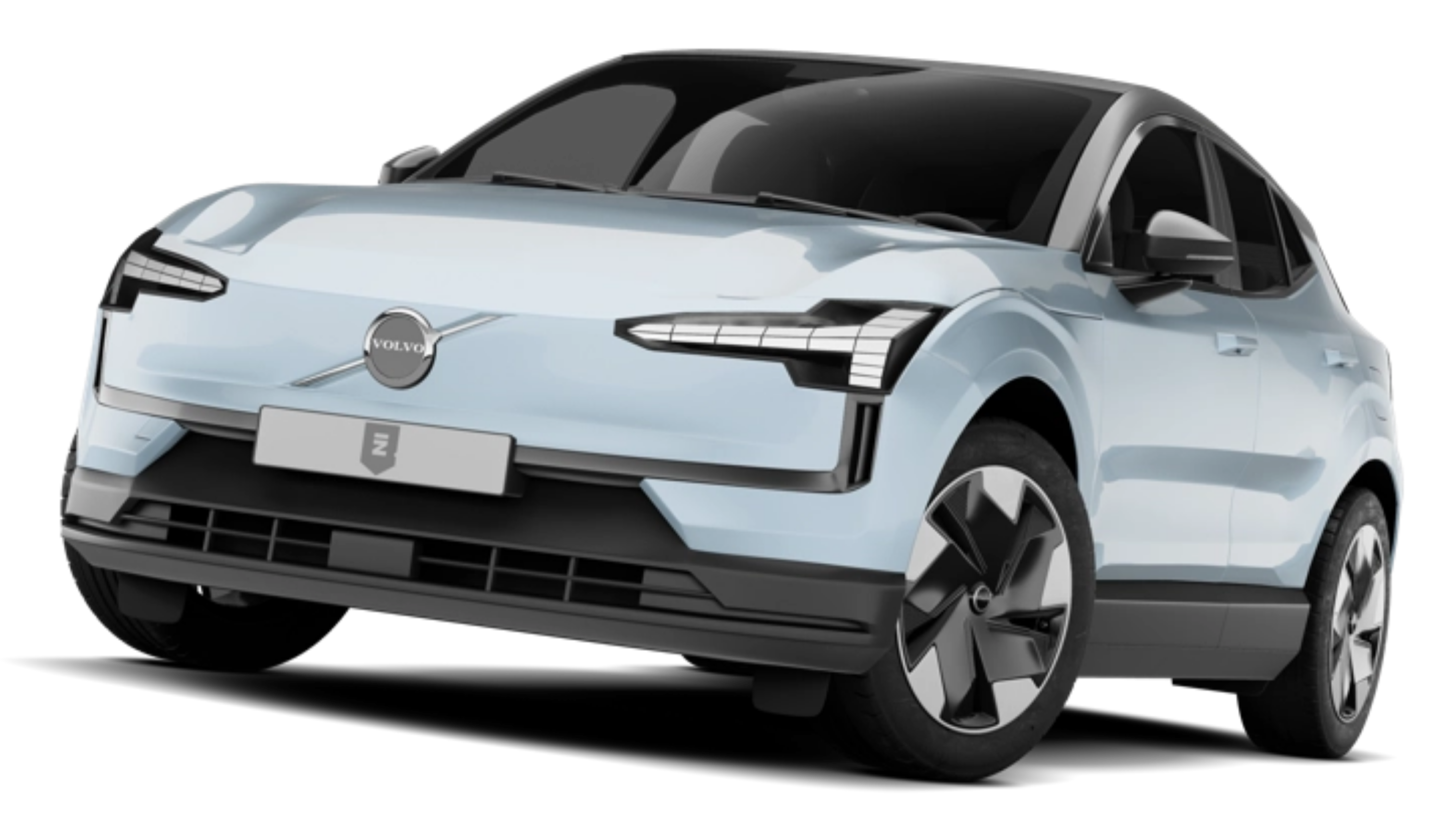
Volvo EX30

Volvo EX30

200kW Single Motor Extended Range Plus 69kWh

A compact premium electric SUV combining distinctive Scandinavian styling with strong performance and everyday practicality. The Extended Range version provides up to approximately 296 miles of WLTP range and suits employees wanting something more premium without moving into a large SUV.

From £289 ex VAT / mo
Hybrid
Volkswagen Golf eHybrid

Volkswagen Golf eHybrid

1.5 TSI 204 Style eHybrid 5dr DSG

A low-emission plug-in hybrid option for employees who are not yet ready to move to a fully electric vehicle. It combines electric capability with the flexibility of a petrol engine while retaining the familiar practicality and comfort of the Volkswagen Golf. The current derivative is listed at 25g/km of CO₂.

From £292 ex VAT / mo
Electric
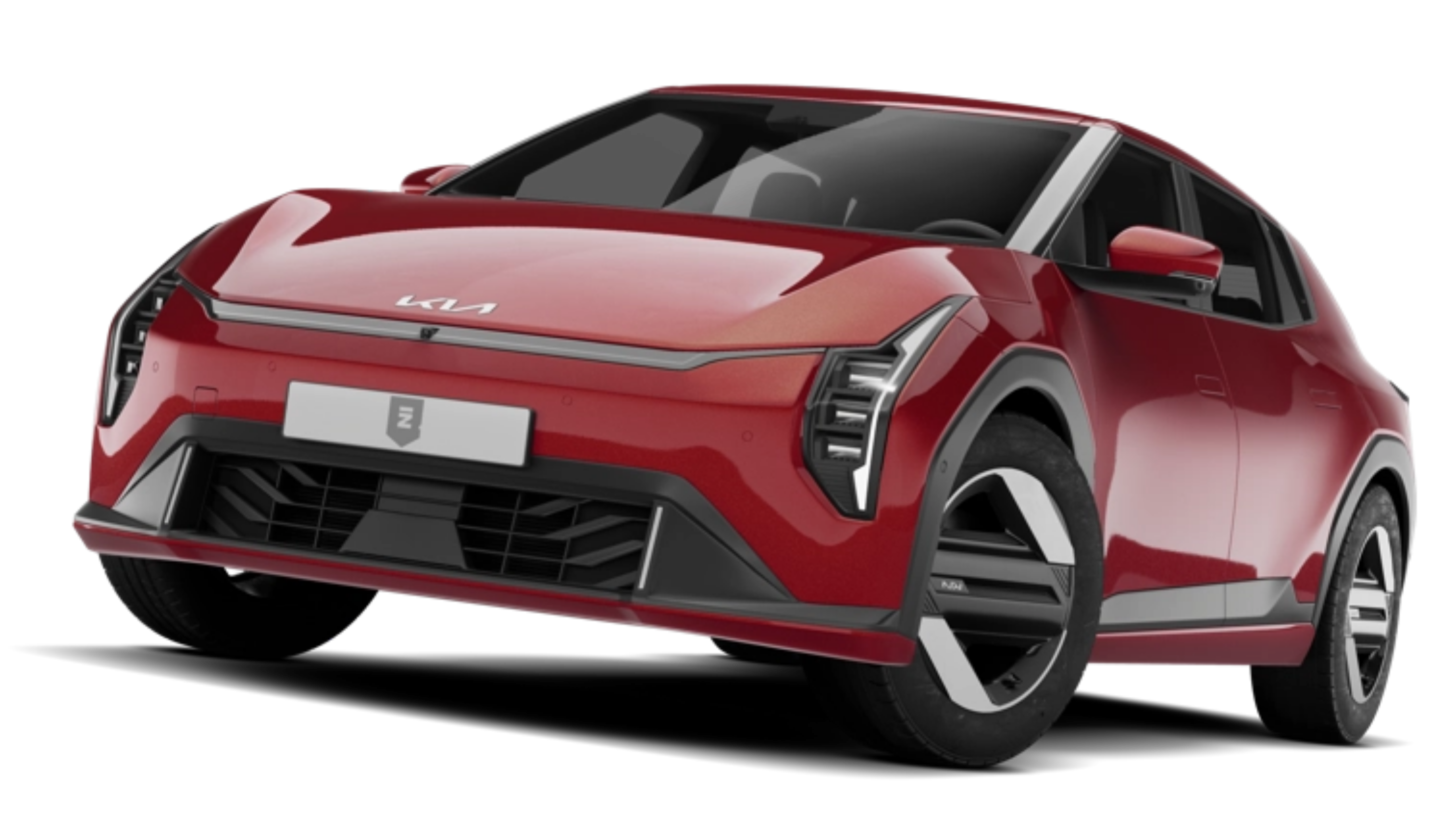
Kia EV3

Kia EV3

150kW Air 81.4kWh

A practical electric SUV with impressive range, modern technology and plenty of space for everyday family life. The 81.4kWh Air model offers a quoted combined range of up to 375 miles, making it one of the strongest all-round salary sacrifice options.

From £325 ex VAT / mo


Does Salary Sacrifice Only Apply to Electric Cars?

A Car Salary Sacrifice Scheme is also not automatically restricted to fully electric vehicles. However, electric and certain low-emission cars usually offer the strongest tax efficiency because company car Benefit-in-Kind charges are linked to the vehicle’s CO2 emissions and, for some plug-in hybrid vehicles, its electric range.

Higher-emission petrol and diesel cars will normally attract substantially higher Benefit-in-Kind charges. Cars producing more than 75g/km of CO2 are also generally subject to less favourable Optional Remuneration Arrangement rules, which can make them unsuitable for a tax-efficient Salary Sacrifice Scheme.

RightLease can help employers create a sensible vehicle policy that balances employee choice, affordability, emissions and taxation rather than simply offering every available model.

Why Are Electric Cars Popular for Salary Sacrifice?

Electric cars are particularly well suited to salary sacrifice because they currently attract lower Benefit-in-Kind percentages than most petrol, diesel and hybrid vehicles.

For the 2026/27 tax year, a zero-emission company car has a Benefit-in-Kind percentage of 4%. This percentage is applied to the vehicle’s taxable list price before the employee’s Income Tax rate is used to calculate the actual tax payable.

This does not mean an electric car is tax-free. It means the taxable benefit can be considerably lower than it would be for a comparable higher-emission company car.

Electric vehicles can also provide lower day-to-day running costs, quieter driving, access to the latest technology and reduced tailpipe emissions. However, the correct vehicle should still be chosen around the employee’s regular mileage, charging access, passenger requirements and overall monthly budget.



Benefits for Employees

Potential Tax and NI Savings

Payments are taken from gross salary, which may reduce Income Tax & NI.

Access to a New Car

Drive a new vehicle without buying it outright or managing its future resale.

Lower Upfront Cost

Avoid the large initial cost normally associated with purchasing a car.

Predictable Monthly Costs

Receive a clear breakdown of how the scheme will affect monthly take-home pay.

A Choice of Vehicles

Choose from eligible ev's, plug-in hybrids, hatchbacks, SUVs and executive models.

No Depreciation or Resale Responsibility

Return the vehicle at the end of the agreement without having to sell it.

Benefits for Employers

A Strong Employee Benefit

Enhance your benefits package without simply increasing cash salaries.

Recruitment and Retention

Attract new employees and give existing staff another reason to stay.

Potential Employer NI Savings

Employers may save National Insurance on the salary exchanged by employees.

Support Sustainability Goals

Encourage the use of electric and lower-emission vehicles across your workforce.

Better Grey Fleet Management

Help employees move from older personal cars into newer, maintained vehicles.

Dedicated RightLease Support

Get help with quotations, applications, orders, paperwork and vehicle delivery.


Get in touch

Tell us a little about yourself and what you're looking for, we'll come back to you the same working day.

Your details

Your enquiry

Sorry, something went wrong sending your enquiry. Please try again, or call us instead.

Thank you, your enquiry has been sent. We'll be in touch shortly.